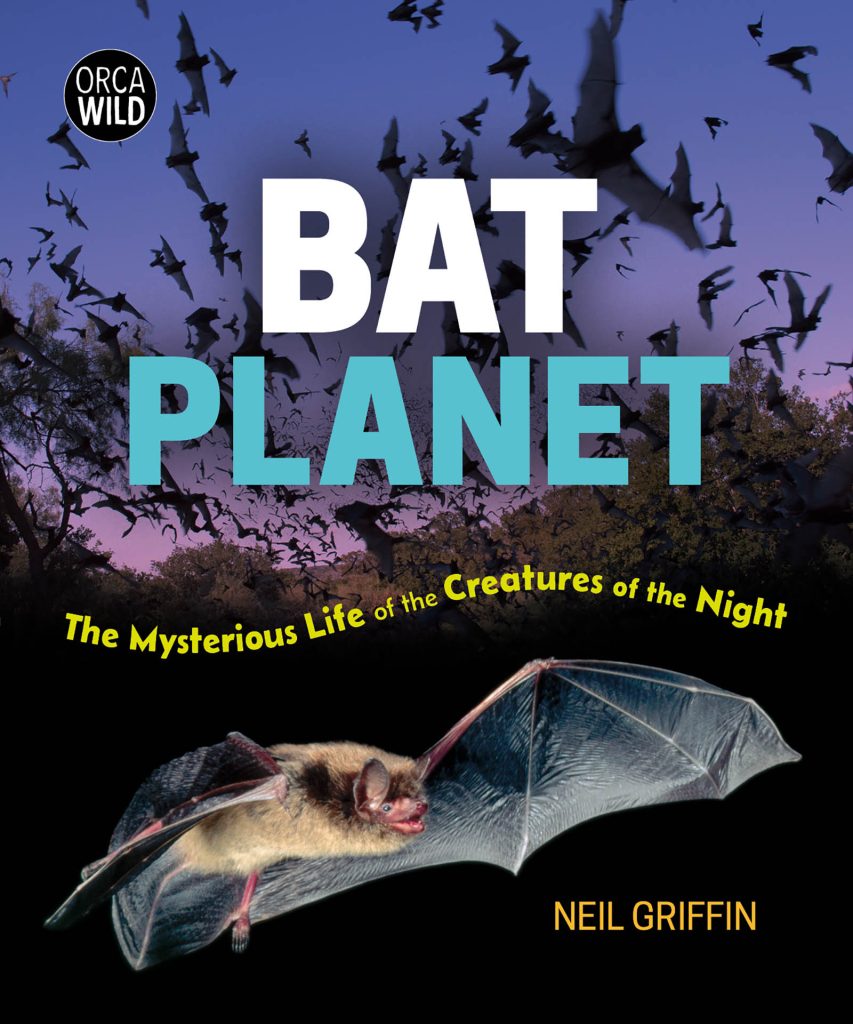
Bat Planet: The Mysterious Life of the Creatures of the Night
Written by Neil Griffin
Published by Orca Book Publishers
Bats are all around us and have coexisted with humans for hundreds of thousands of years.
They live in our attics and under our porches. Bats account for 20 percent of all mammal species on Earth and live on every continent (except Antarctica). Some are as small as a bumblebee, and others have wingspans that could envelop an adult human. Bats eat up to 1,000 mosquitoes an hour, making our summertime camping trips more bearable. They live in colonies with thousands of their cousins, where they hang upside down and groom each other, like monkeys on monkey bars. These winged wonders have zipped and pinged through the night skies for seventy million years, but today, almost 25 percent of bat species are at risk of extinction. In Bat Planet, discover the biology, habitat, risks to survival and how you can help one of the most widespread, diverse and fascinating groups of animals on Earth.
Context / Discussion Themes: bats, bat conservation, bat houses, hibernation, echolocation
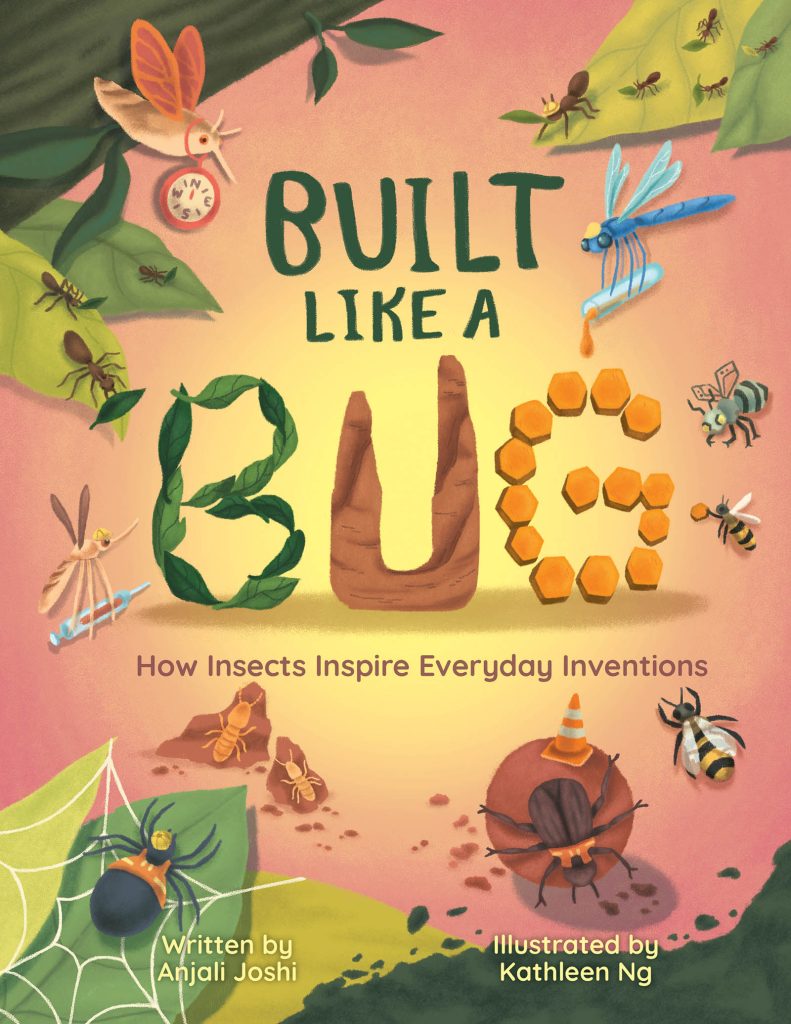
Built Like a Bug: How Insects Inspire Everyday Inventions
Written by Anjali Joshi
Illustrated by Kathleen Ng
Published by Annick Press
Insects are the tiny superheroes of the natural world: from their camouflage to their amazing teamwork, their incredible superpowers have inspired scientists for generations. And the more we discover about insect behaviour—how they use energy, navigate, adapt, and more—the more they can teach us about how to live.
Beautifully designed with full-colour illustrations throughout and packed with STEM content, BuiltLikeaBug invites readers to look beyond what they think they know about the teeny-tiny, creepy crawlers all around us. Could we one day adapt to avoid harmful foods like cockroaches? Will needles mimicking mosquitoes hurt less? How could drones modelled after dragonfly wings help prevent environmental disasters? What can termites teach us about how to stay cool in an increasingly warming world? Across eight chapters featuring sidebars, accessible language, and multiple examples from the insect world, science educator Anjali Joshi’s exploration of the amazing inventions borne from studying bug behaviour will enthrall insect enthusiasts and insectophobes alike.
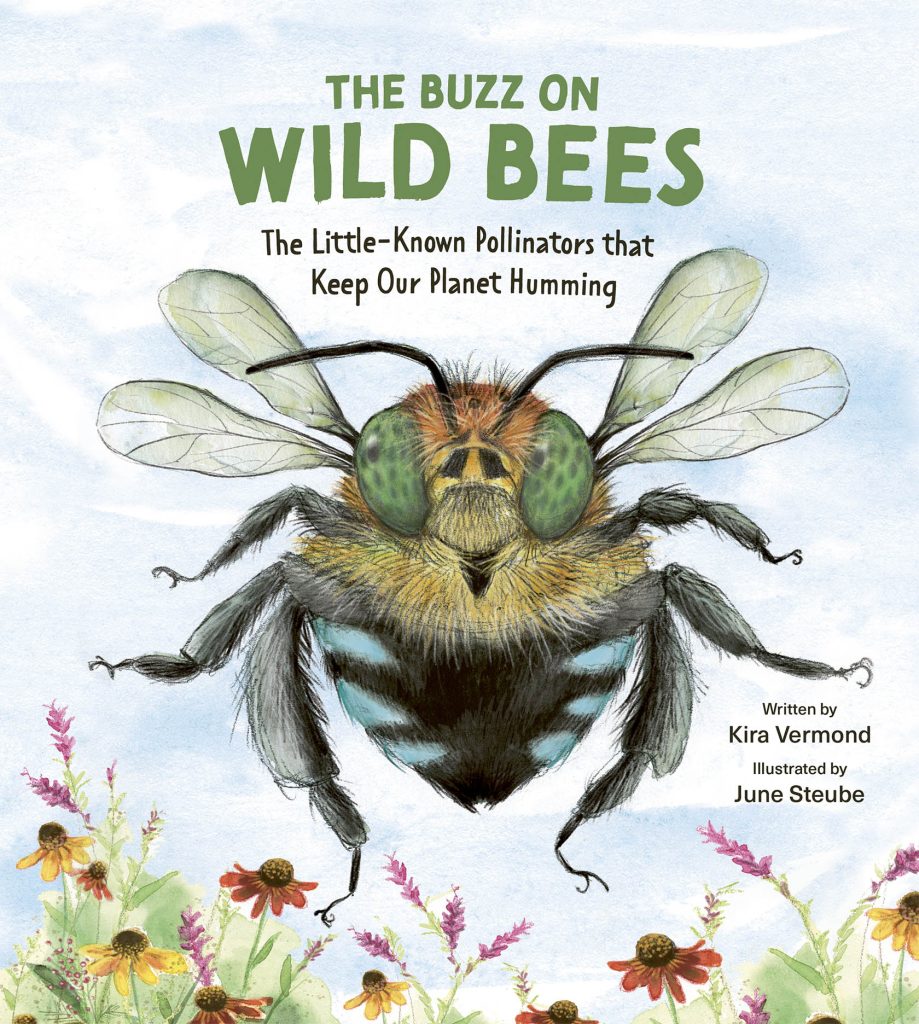
The Buzz on Wild Bees: The Little-Known Pollinators that Keep Our Planet Humming
Written by Kira Vermond Illustrated by June Steube Published by Owlkids Books
Say the word “bee,” and most kids think of honeybees or bumblebees. But there are around 20,000 discovered species of bees—and most of these are wild, solitary bees that don’t live in hives. Readers will discover fascinating facts about these lesser-known bee species, from mason bees and mining bees to leafcutter bees and vulture bees.
Using clear, concise language and plenty of fun word play, this introduction to wild bees describes their life cycles, habitats, and behaviours… some of which are weirder than others! It also explains the importance of wild solitary bees to many ecosystems, the challenges they face, and what we can do to be part of the solution.
Vibrant, detailed illustrations created with pencil, crayon, and watercolour provide close-up views that are buzzing with life. Full of fun facts, The Buzz on Wild Bees invites readers to celebrate and protect all the world’s bees.
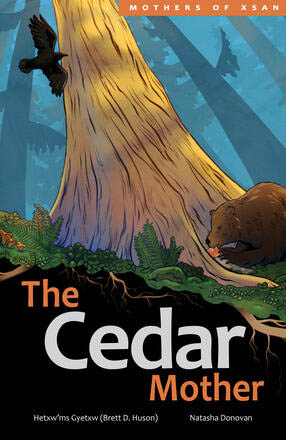
Meet Nox Sim Gan, the cedar mother, whose life cycle spans centuries and whose roots anchor the landscape. The cedar mother plays a vital role in the ecosystem: offering shelter for birds in her strong limbs, providing refuge for small creatures beneath her bark, and healing the Gitxsan with a medicinal tea made from her soft, green leaves. She also creates the very oxygen that all land-dwelling creatures need to breathe.
Delve into the remarkable story of the western red cedar as you learn how she nourishes herself through an unexpected connection to salmon, the secret web of life that thrives beneath the ground, and how, at the end of her life, she leaves a final gift for the Gitxsan. This book invites young readers to discover the life of a tree that is much more than meets the eye, offering lessons in interconnectedness and in wisdom passed down through generations.
Content / Discussion Themes: Indigenous culture: worldviews, perspectives, teachings, protocols, traditional medicine, story poles & totem poles; STEAM: environmental stewardship, sustainability, ecosystems, life cycles, plants, trees, forests
Cracking the Code: The Human Quest to Uncover Secrets
Written by Rachel Kehoe
Illustrated by Meegan Lim
Published by Orca Books
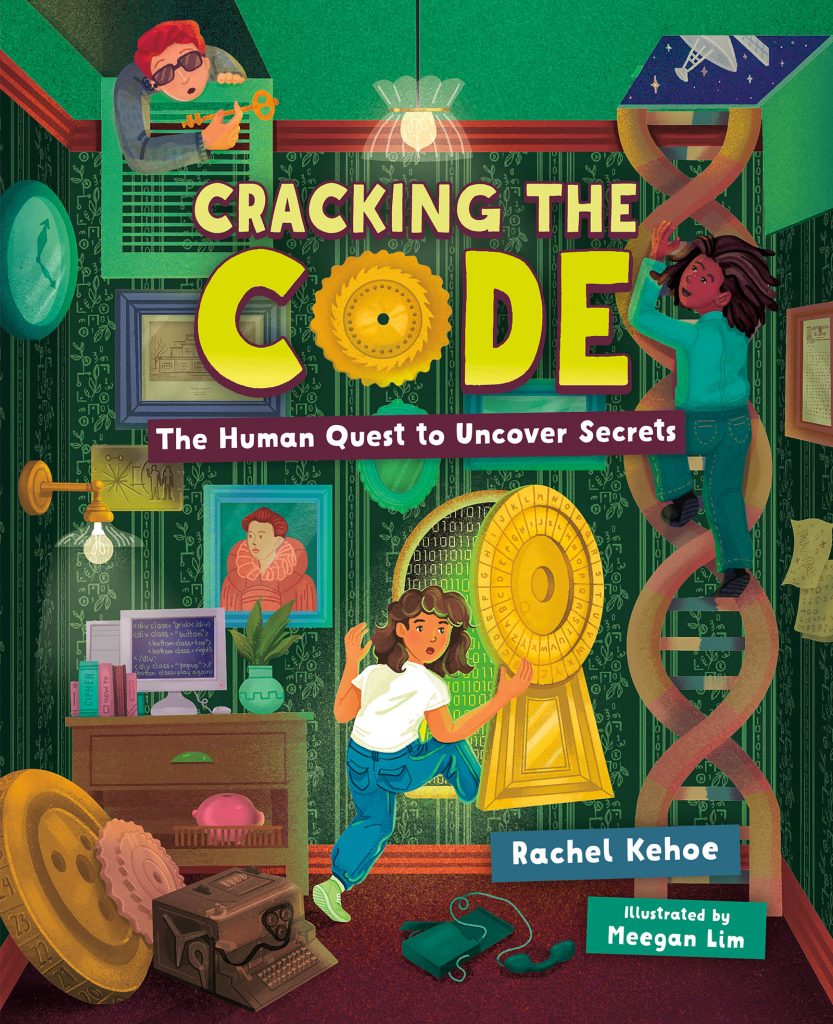
Humans have been keeping secrets for generations and using cryptography to ensure those secrets don’t fall into the wrong hands.
From the development of ancient Greek ciphers to the creation of the Enigma and today’s CRISPR technology, codes and codebreakers have changed the course of history. Today, cryptology addresses cybersecurity and the ethics of hacking our own genetic code.
Cracking the Code reveals the history of codes, explores why humans keep secrets and introduces us to coding heroes like the Navajo Code Talkers from World War II. Codes have defined human history and will map our digital future. Will you be the next codebreaker to unlock the mysteries behind the codes that shape our world?
Content / Discussion Themes: codes, encryption, cryptology, ciphers, AI
Dream of an Education, The: How Phymean Noun Built a School
Written by Susan Hughes
Illustrated by Tida Kheav
Published by Orca Book Publishers
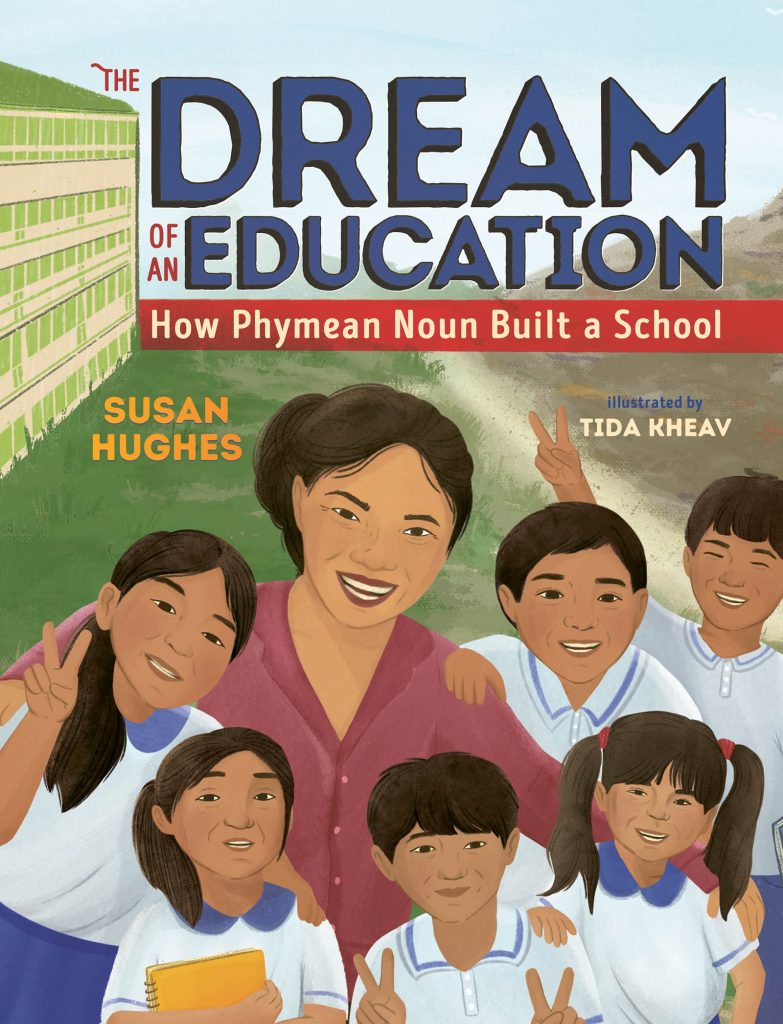
As a young child, Phymean Noun dreamed of learning to read and write. But growing up during the Khmer Rouge reign of terror in Cambodia in the 1970s made that dream impossible.
Formal education was not only forbidden at that time but also could result in a death sentence. When the Khmer Rouge government was eventually overthrown, Phymean was finally able to go to school and fulfill the promise she made to herself as a young girl.
Years later, when Phymean was working in Phnom Penh, she met several unhoused, hungry child labourers who were unable to get an education because they had to work to feed their families. Like Phymean, they had the greatest dream of going to school. Phymean knew she had to help. She left a stable job and salary behind to start the People Improvement Organization (PIO) in 2002, an NGO that educated, fed and also housed children in need. Since its founding, PIO has helped 8,000 children accomplish their dream of receiving an education.
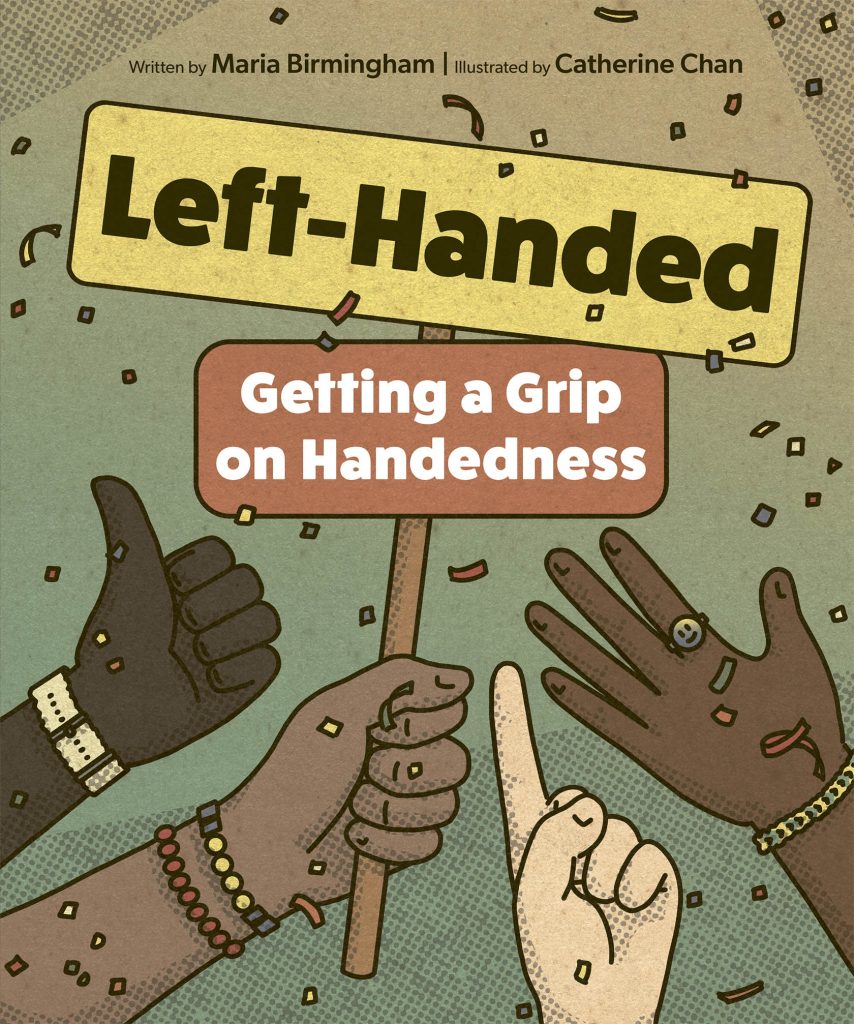
Most of us define ourselves as lefties or righties based on the hand we use for writing. But what makes people prefer one hand over the other? And what if handedness doesn’t tell the whole story? Do we also favor one eye, one ear, or one foot? What about people who use different hands for different activities?
That’s where this book comes in. It examines all things lefty-from handedness in our ancient ancestors to lefty myths to current theories about the roles of genetics, environment, and brain structure. It also tackles intriguing questions: Why and when does someone become a lefty? Are humans the only left-handed animals? And what is it like to live a left-handed life in a right-handed world?
With a blend of pop culture, sports, history, and STEM, this middle-grade nonfiction book tackles these questions and more, while celebrating the traits that make us unique, no matter which hand we use.
Content / Discussion Themes: left-dominant handedness, pop culture, brain-body connections, STEAM, technology, history of handedness
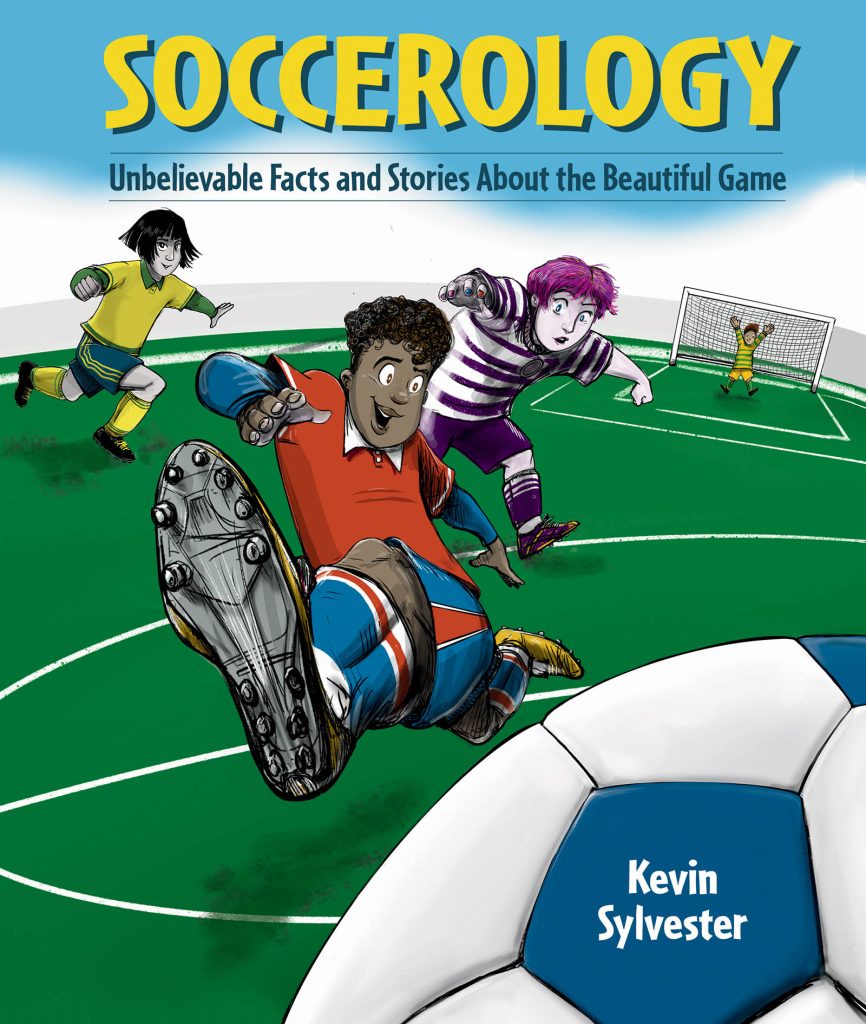
Soccerology: Unbelievable Facts and Stories About the Beautiful Game
Written & Illustrated by Kevin Sylvester Published by Annick Press
Uncover everything you never knew about the beautiful game in this vividly illustrated soccer compendium—from the science of a perfect backspin to soccer heroes who changed the sport forever.
Colorful illustrations, fun infographics, and supercool trivia reveal all about the most-watched sport in the world. Begin with the game’s startling origins or turn to any chapter and dive in! You’ll discover historic firsts, trailblazing athletes, and the weirdest soccer records. Read unforgettable stories about players who pushed the boundaries of the game—sometimes by bending the rules. Learn why soccer had to become more inclusive before it could truly bring people together, and deepen your knowledge with easy-to-read charts, timelines, and further reading. Written and illustrated by former sports broadcaster and award-winning children’s book author Kevin Sylvester, Soccerology is a must-have that’s equally fascinating for soccer newbies and diehard fans.
Content / Discussion Themes: soccer/football, sport history, sport facts, athletes, women in sport, rules, international play
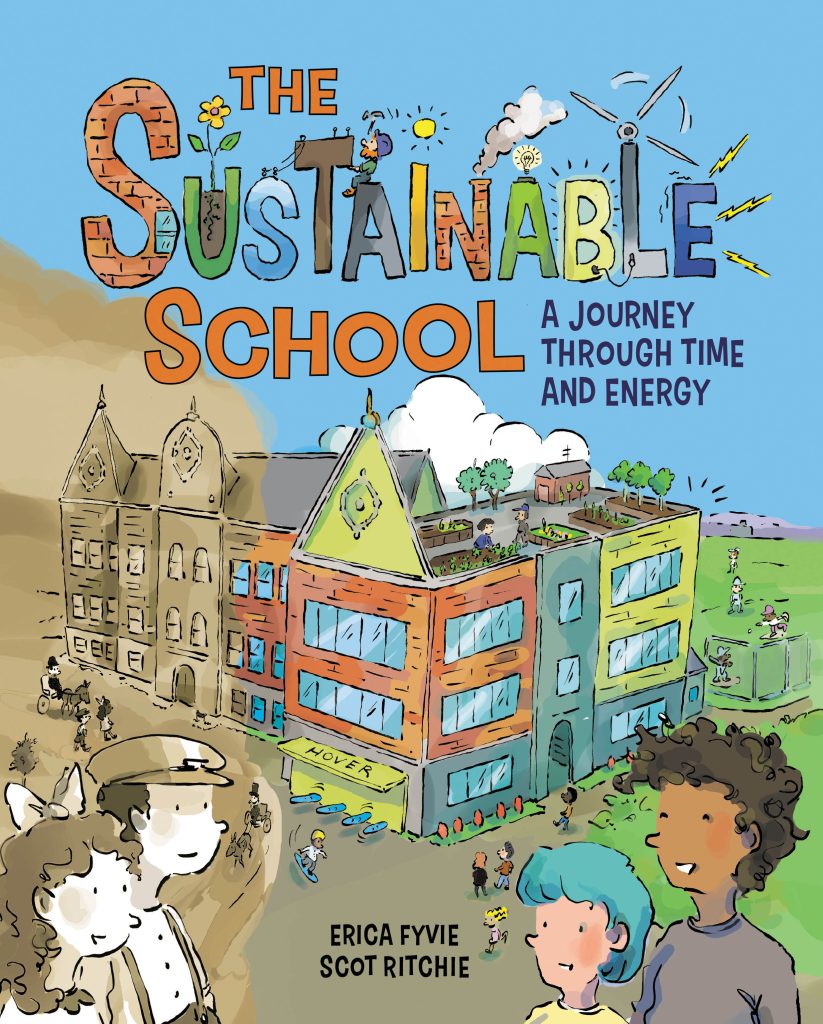
The Sustainable School: A Journey Through Time and Energy
Written by Erica Fyvie
Illustrated by Scot Ritchie
Published by Kids Can Press
A look back in time helps a sixth-grade class envision a greener, more sustainable future.
When construction at Birch Elementary uncovers a time capsule buried by the school’s sixth-grade class in 1900 – the year the school was built! – Mr. Marons’s current sixth-grade class is fascinated to discover letters from the students among the artifacts inside. Each of the letters describes the marvels of innovation in the new building in one of four categories – electricity, plumbing, building or transportation. These letters inspire an intriguing science assignment for the students: Come up with a prediction, related to one of the categories, for how the school will become more energy efficient by 2100!
The four predictions presented by the students cover everything from new power sources and water conservation practices to energy-efficient construction and zero-fuel modes of transportation. The book includes sidebars throughout that describe real-life examples of famous time capsules, plus tips on how to create a personal, family or classroom time capsule. A glossary, suggested resources and an index are also included.
Content / Discussion Themes: environmental awareness, STEAM, sustainability, recycling, renewable energy, pollution, zero waste, human geography, optimism, solar energy, the scientific method, time capsules
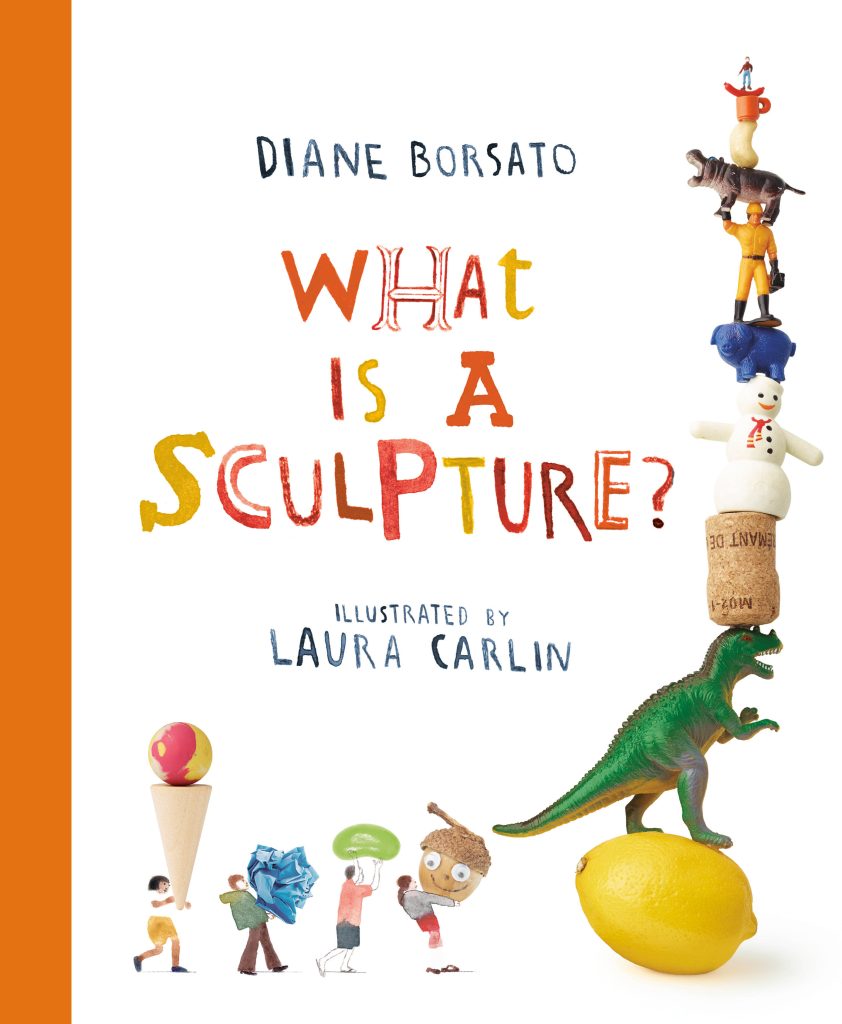
What Is A Sculpture?
Written by Diane Borsato
Illustrated by Laura Carlin Published by Tundra Books
Is a statue a sculpture? Is a building a sculpture? How about my ice cream cone? What is a sculpture? And . . . how can YOU make one?
Join acclaimed visual artists Diane Borsato and Laura Carlin on a creative adventure through a gallery of wonderful, wobbly sculptures inspired by famous artworks from around the world. Sculptures like a bronze spider as big as a house, a tree fluttering with wishes, an arch made of river stones, a portrait made entirely of chocolate and so many more.
This irresistible book will inspire kids to look closer — and build things, bake things, stack things, collect things, wrap things and even ride things — in ways you’d never expect.
Content / Discussion Themes: art, sculpture, artists, art history, public art, art materials